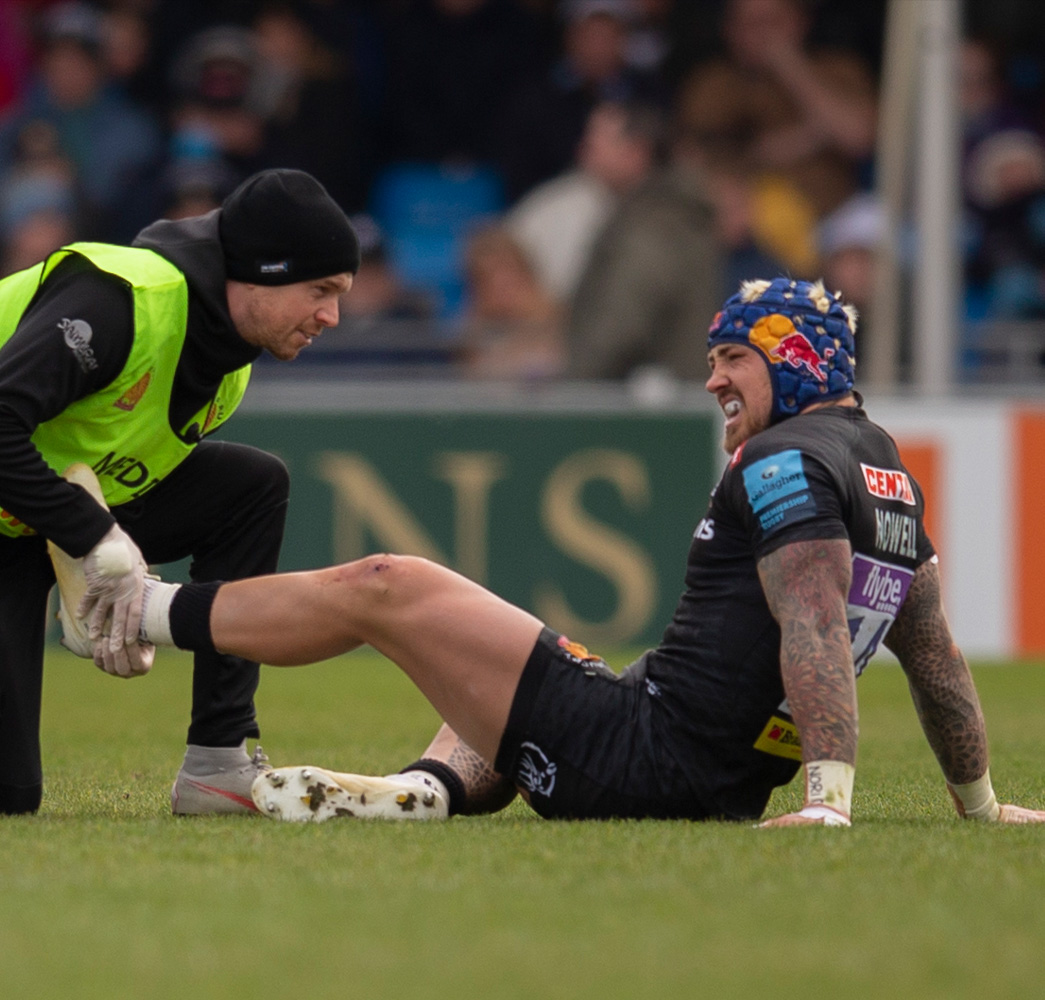

"I started to realise that I needed to move better, not just train harder." - Jonny Wilkinson
Movement diversity is regaining strategic importance in elite environments.
Rather than narrowing focus exclusively to sport-specific patterns, many athletes now deliberately integrate secondary disciplines - rotational strength, sprint mechanics, mobility flows and low-impact conditioning.
Former England rugby captain Jonny Wilkinson spoke candidly about expanding his movement base later in his career:
"I started to realise that I needed to move better, not just train harder," he said.
That distinction reflects a broader industry shift. Repetitive load without variation increases predictable stress accumulation. Strategic variation distributes it.
In cricket and football environments, coaches increasingly programme movement quality sessions alongside technical work - not instead of it.Broader movement capacity improves coordination, reduces asymmetry and builds resilience across congested seasons.
It also provides mental refreshment. Changing stimulus can preserve motivation without sacrificing conditioning.
Durability often separates long careers from short peaks.
The bottom line?
Expanding movement capacity reinforces structural resilience.