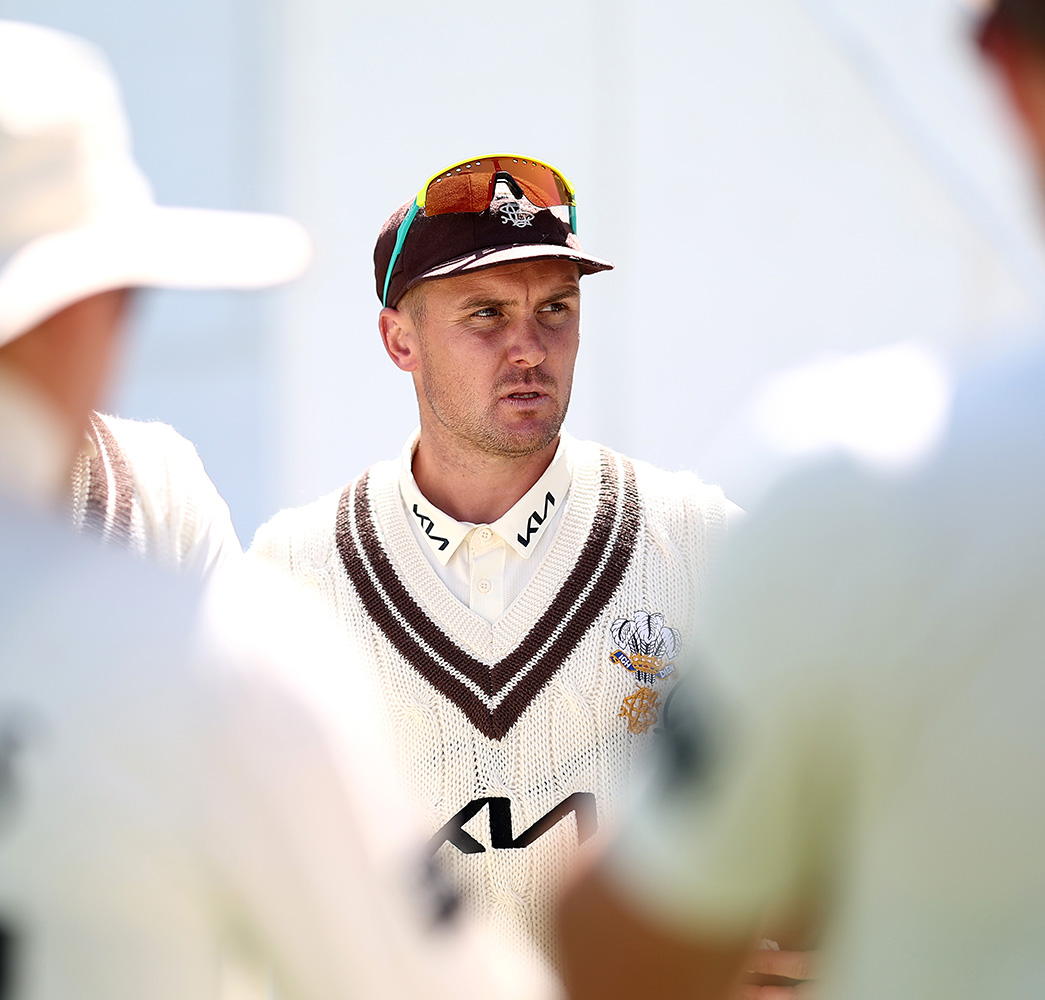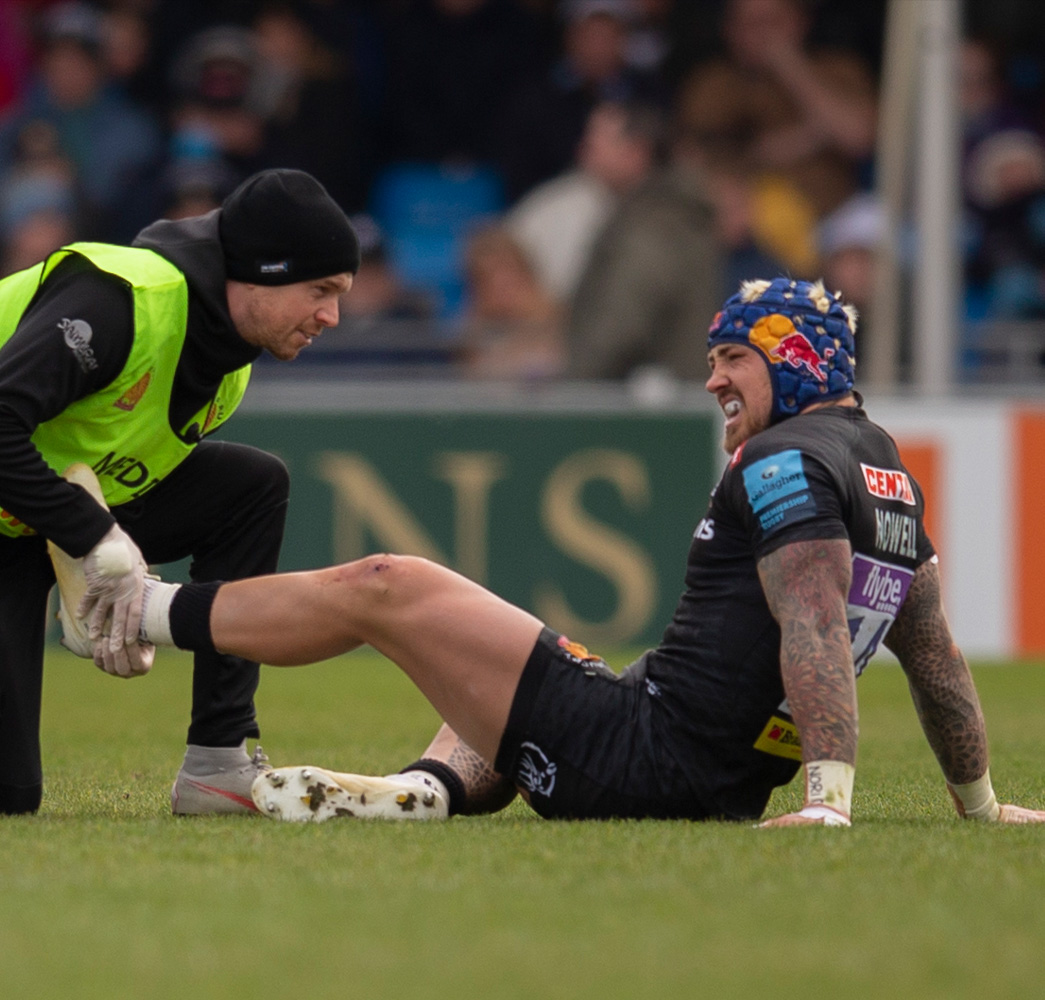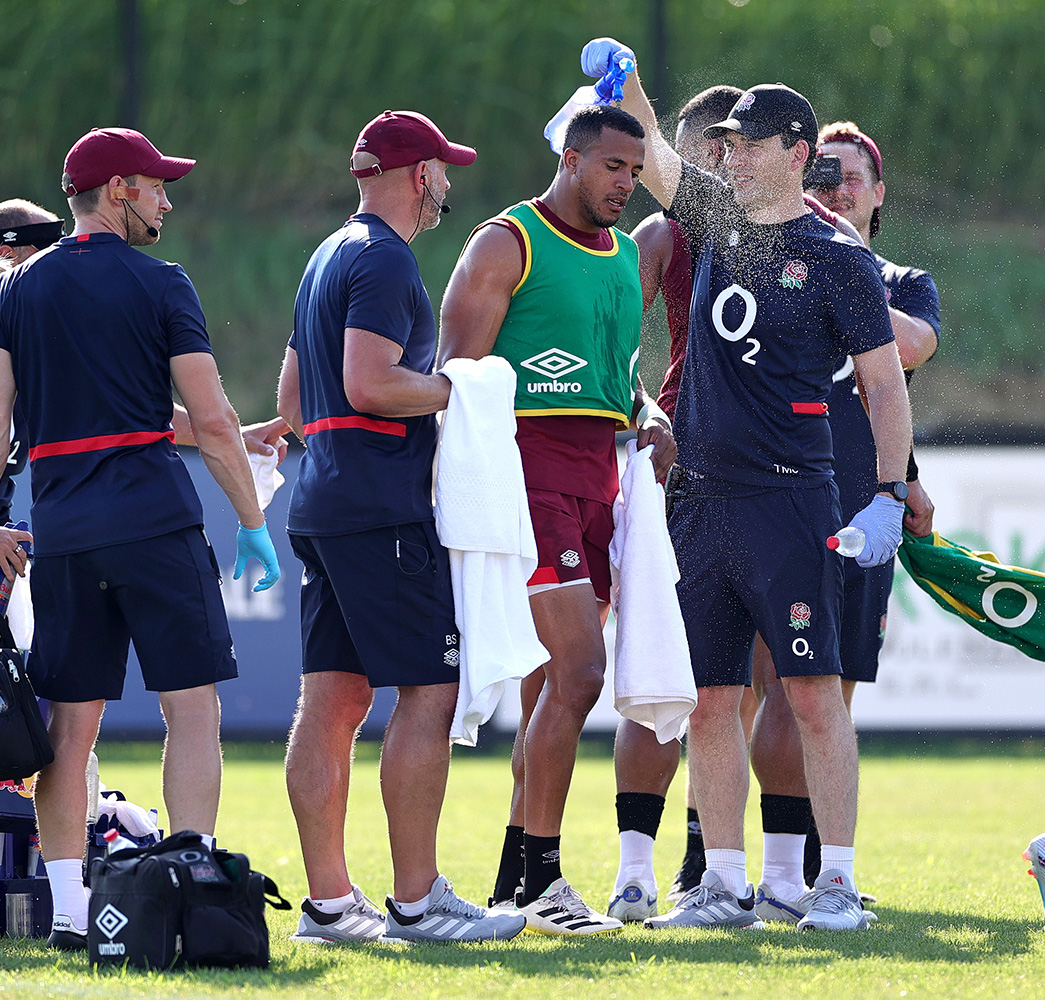

Most sport is rotational.
Batting, tackling, throwing, striking - these movements generate force through transverse planes. Yet many gym programmes remain overwhelmingly linear.
That mismatch can create imbalance.
Professor Stuart McGill has repeatedly highlighted the importance of controlled spinal stiffness during rotation, warning that excessive lumbar motion under load increases injury risk.
The thoracic spine should rotate freely. The lumbar spine should resist rotation.Understanding that distinction protects the lower back.
POWER WITHOUT BRAKING IS RISK
Producing rotational force is only half the equation. Controlling deceleration is equally important.Med ball rotational throws build power production. Anti-rotation holds and cable presses build braking strength.
Without braking capacity, rotational speed increases shear forces across oblique and lumbar tissues.
THE OVERUSE PROBLEM
In cricket and baseball, repeated rotational loading across long seasons increases cumulative stress.
Integrating rotational strength training distributes that stress across better-prepared tissue.
The aim is not maximal torque every session.
It is controlled exposure.

PROGRAMMING PRINCIPLES
Effective rotational sessions often include:
- Rotational medicine ball throws
- Pallof press variations
- Split-stance cable rotations
- Controlled lateral lunges
Intensity should mirror sport demands, not exceed them unnecessarily.
Rotation is essential. Uncontrolled rotation is dangerous.