
"Intensity in training has to match intensity in matches." - Pepijn Lijnders
For years, training and competition existed in separate worlds.
Sessions were structured, controlled and often predictable. Matches were not.
Now, that gap is closing.
Across elite sport, there is a growing shift towards training at 'game speed' - replicating not just the physical demands of competition, but the tempo, chaos and decision-making that define it.
The reasoning is simple: if training doesn’t reflect competition, performance suffers.
In football, this has led to a rise in small-sided games and scenario-based drills designed to mirror match situations. Players are exposed to constant pressure, limited time and high-speed decision-making - all within a controlled environment.
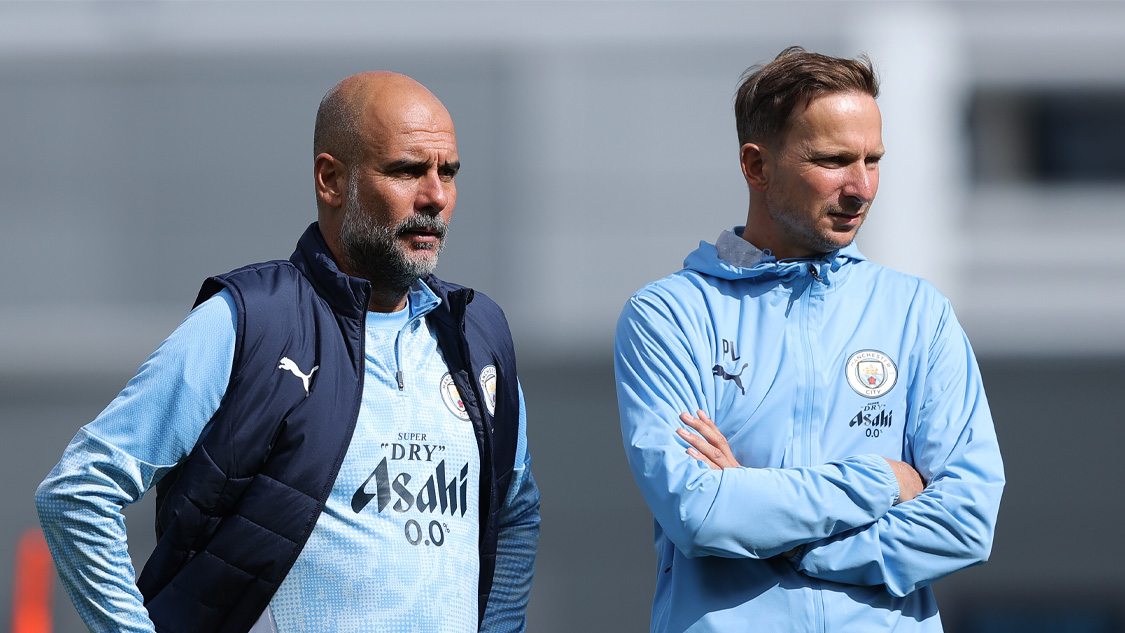
Former Liverpool assistant manager Pepijn Lijnders has spoken about the importance of this approach.
"We don’t train for fitness, we train for the game," he said during his time at the club. "Intensity in training has to match intensity in matches."
That philosophy is now widely adopted.
In basketball, teams are using constrained drills - reducing space and time to force quicker decisions. In rugby, contact sessions are being designed to simulate real-game collisions rather than isolated technical work.
The shift reflects a broader understanding of performance.
Fitness alone is no longer enough. Athletes need to execute skills under pressure, at speed, while fatigued.
That’s what defines elite performance - and increasingly, that’s what training is designed to replicate.
For coaches, it also provides more relevant feedback.
Instead of assessing performance in isolation, they can observe how athletes respond in conditions that mirror competition.
The result is training that is less predictable, but more meaningful.
Because in modern sport, preparation isn’t just about building capacity.
It’s about preparing for reality.