
"Sometimes the strongest thing you can do is step away and reset." - Ben Stokes
There’s a moment in every athlete’s career when pushing harder is no longer the answer.
When the instinct is to keep going - train more, do more, fight through - but the reality is something different.
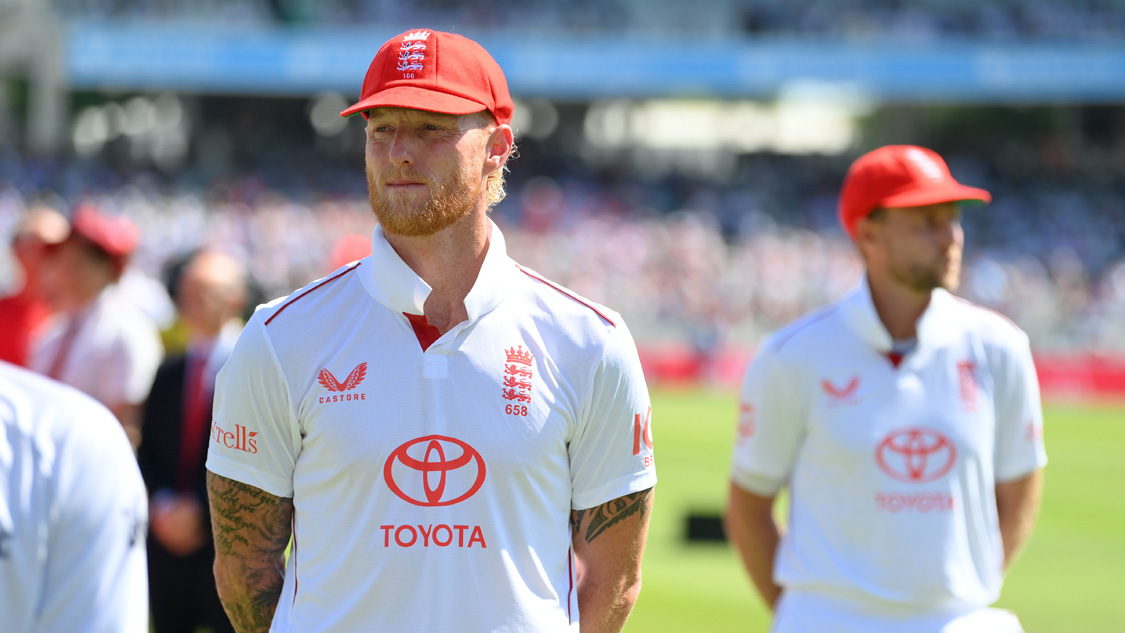
For Ben Stokes, that moment came in full public view. One of the most competitive cricketers of his generation, defined by big performances under pressure, he also became one of the first to openly step away from the game to protect his mental wellbeing.
In doing so, he reframed what strength looks like in elite sport.
FOCUS: BEN STOKES
Few athletes operate as consistently close to the edge as Ben.
High-stakes moments, leadership responsibility, constant scrutiny - the mental load is relentless. But managing that load has become just as important as performing under it.
"Sometimes the strongest thing you can do is step away and reset," says Ben.
"It’s not about weakness - it’s about giving yourself the space to come back better, mentally and physically.
"When you’re constantly pushing, you don’t always realise how much you’re carrying. Taking a step back helped me clear my head and refocus on what really matters.
"You learn that performance isn’t just about what you do on the field - it’s about how you look after yourself away from it."
That awareness has shaped how Ben approaches both cricket and life.
The ability to recognise when to push - and when to pause - is now part of his performance toolkit.
WHAT THE EXPERTS SAY
Sports psychologist Dr Michael Gervais has worked with some of the world’s highest-performing athletes and leaders. He believes that sustained performance depends on managing pressure, not avoiding it.
"High performers don’t eliminate stress - they learn how to work with it," he explains.
"But without recovery, stress accumulates. And when that happens, clarity, decision-making and emotional control all begin to decline."
That’s where stepping away becomes a performance tool, not a setback.
Clinical psychologist Dr Pippa Grange, former Head of People and Team Development at the FA, has spoken about the importance of creating space in high-performance environments.
"Rest isn’t just physical," she says.
"It’s psychological. If you don’t give your mind time to recover, you can’t expect it to perform under pressure."Y
OUR TOOLKIT: RESETTING UNDER PRESSURE
1. Step away intentionally
Build time away from your sport or work - not as an escape, but as a reset
2. Name the load
Write down what’s on your mind. Clarity reduces overwhelm
3. Control the controllables
Focus only on what you can influence today
4. Create a reset routine
Have a consistent way to switch off - music, walking, breathing
5. Reframe rest
See recovery as part of performance, not time lost
DAILY MENTAL REPS
Resetting your mind doesn’t require hours - just consistency:
Morning: Identify one priority for the day
Midday: Take five minutes away from screens
Evening: Reflect on what you managed well
THE TAKEAWAY
Ben shows that mental strength isn’t just about pushing through.It’s about awareness.
Knowing when to lean in - and when to step back.
Because performance isn’t just built in moments of intensity.
It’s sustained through how well you recover from them.