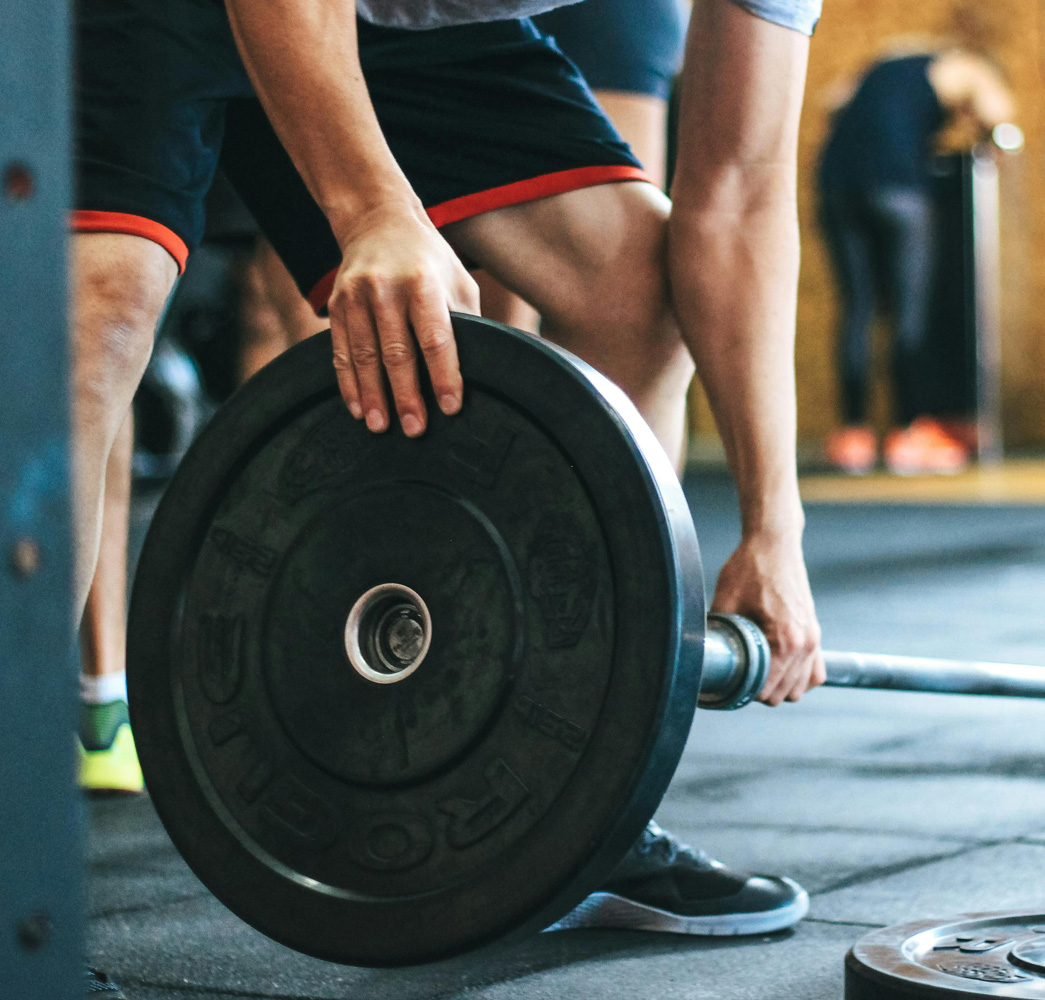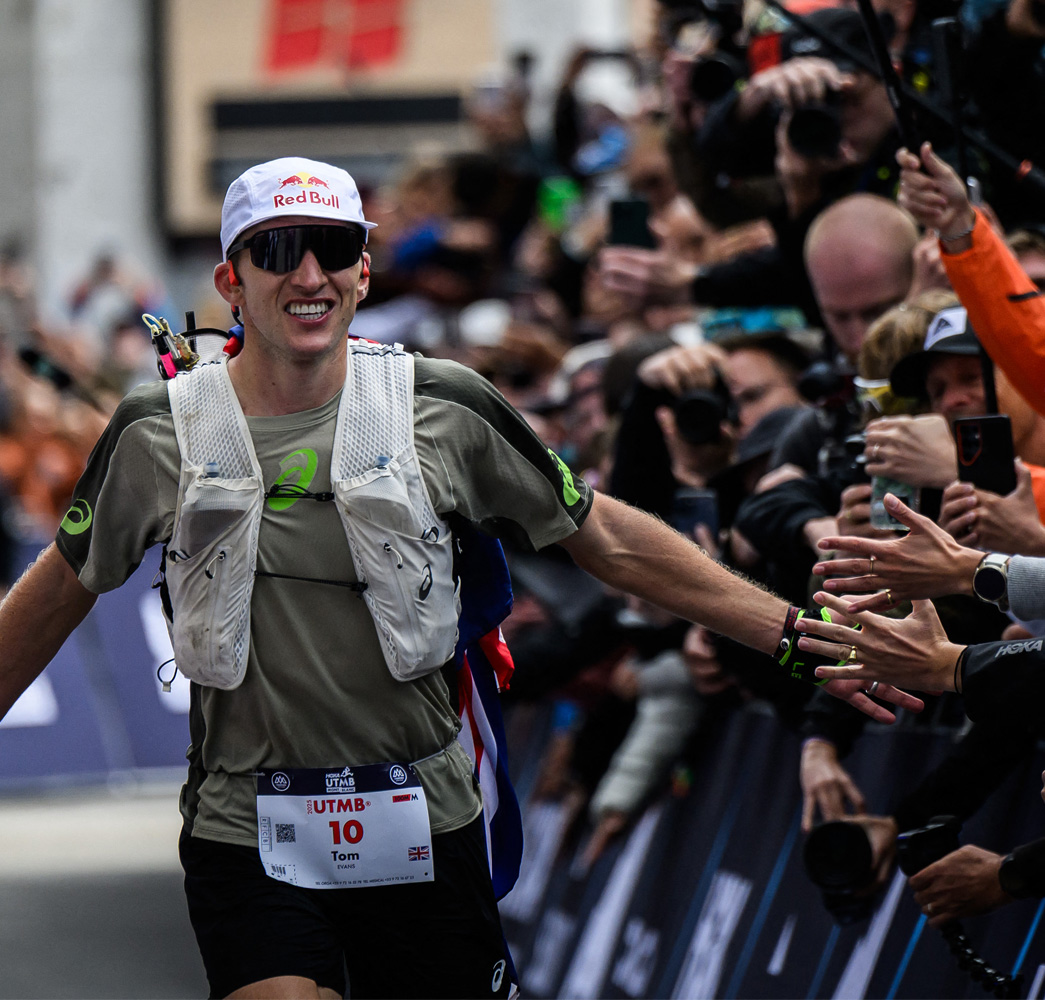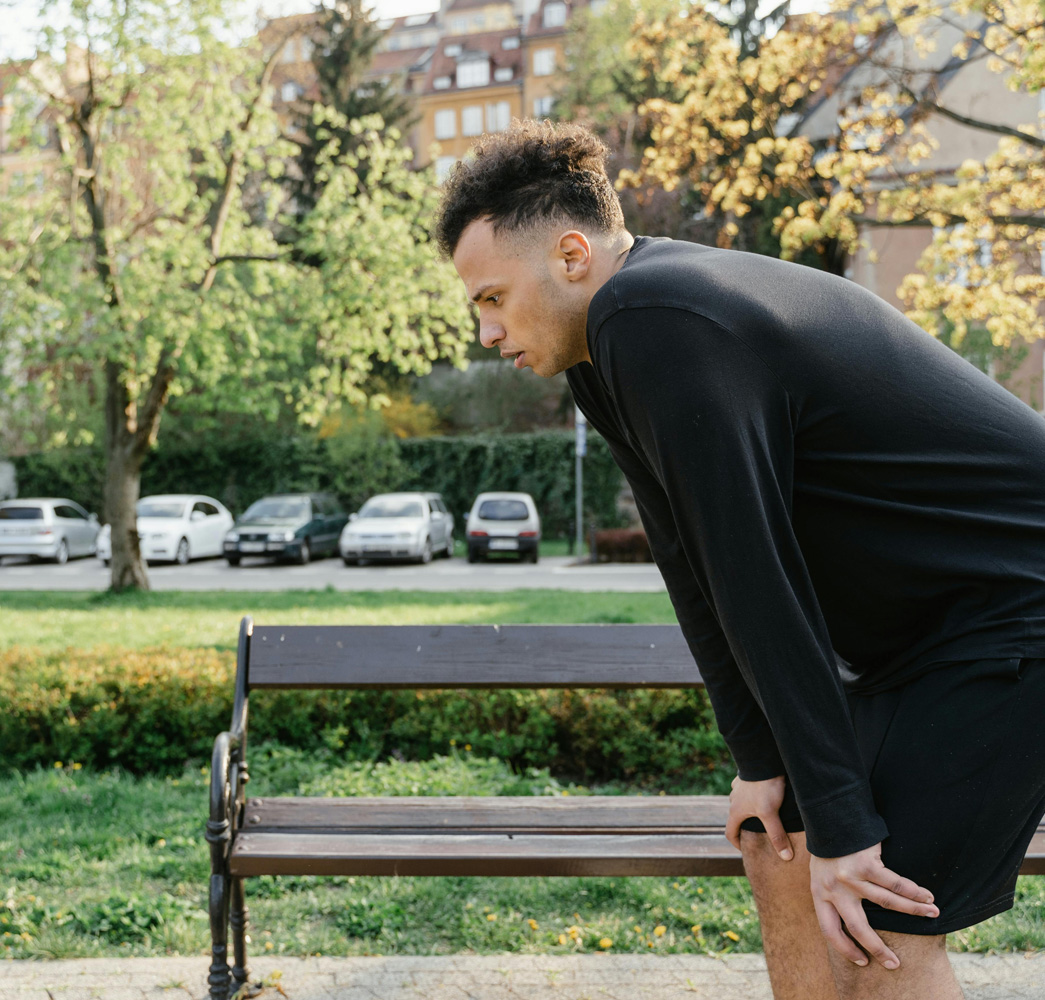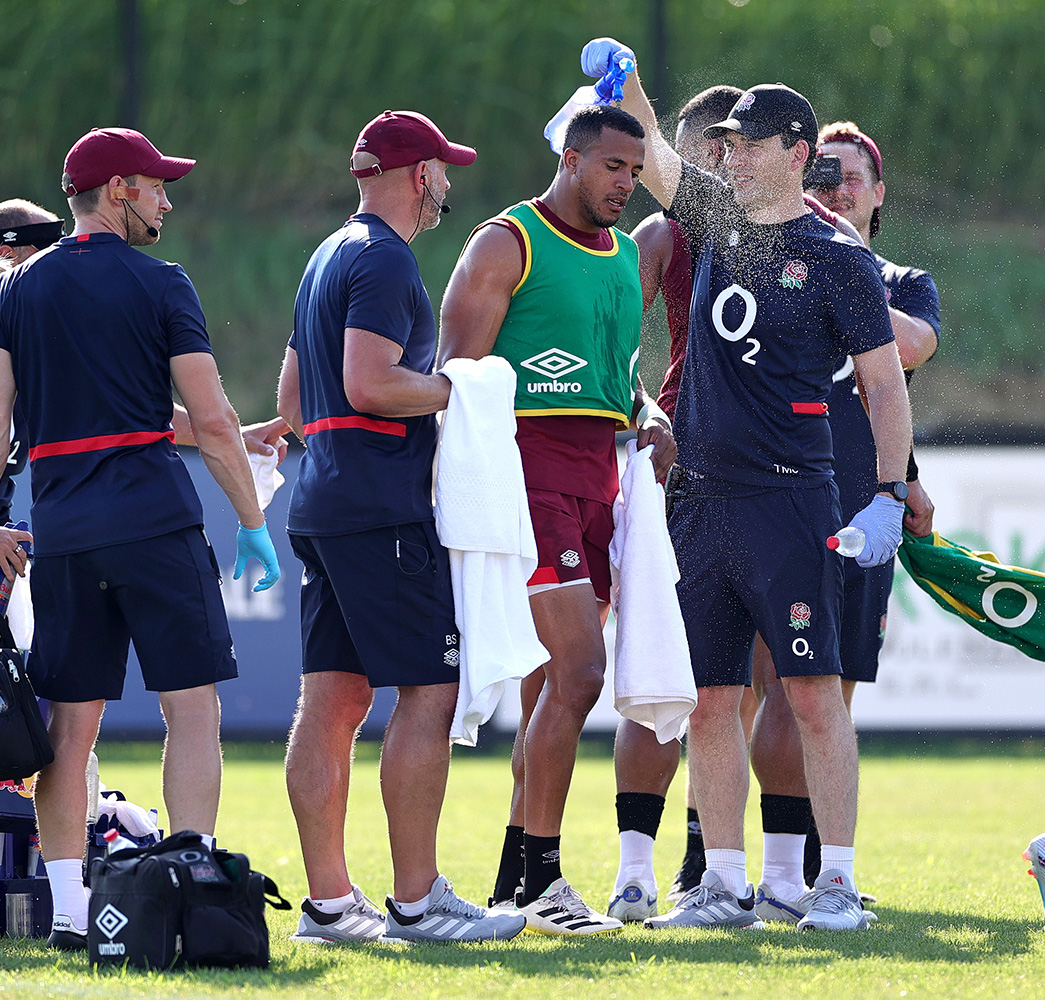

'Pilates supports qualities athletes often neglect: control, breathing, stability and alignment.'
Pilates has spent the last few years moving from studio niche to mainstream training essential.
Now it is entering another phase: connected home fitness.
NordicTrack has launched the Ultra 1 Reformer, its most ambitious Pilates machine to date, with pre-orders opening in May and delivery expected from late June 2026. The machine connects to iFIT and offers access to reformer-specific programmes, mat Pilates workouts, smart resistance controls and real-time on-screen feedback.
That launch matters because it shows where movement culture is heading. Pilates is no longer being framed only as gentle exercise or rehab. It is being packaged as strength, mobility, alignment and longevity.
The wider industry agrees. The American College of Sports Medicine ranked 'Balance, Flow and Core Strength' fifth in its 2026 fitness trends.
Cayla McAvoy, lead author of the trends report, said: "Pilates, yoga, and core training are resonating across generations. Their popularity reflects a broader industry shift toward longevity, holistic health, and mind-body integration."
For The Edge, the key word is integration.
Pilates supports qualities athletes often neglect: control, breathing, stability, alignment and joint awareness. Those qualities matter whether someone is running, playing cricket, lifting or simply trying to move better through daily life.
The rise of smart reformers also raises a useful question: can technology teach precision?
Real-time feedback may help beginners understand resistance and follow programming. But Pilates still depends heavily on cueing, awareness and movement quality. A machine can guide. It cannot fully replace skilled instruction.
That is why the most valuable version of connected Pilates may be a hybrid: expert-led movement, made more accessible at home.
The opportunity is clear. More people can experience structured Pilates without needing to reach a studio.
The challenge is just as clear. Convenience must not dilute technique.
Because the real value of Pilates has never been the equipment.
It is the quality of movement it teaches.