
When most people think about getting fit, they imagine long gym sessions, structured workouts or high-intensity classes.
But some of the most interesting findings in sports science this year point to something far simpler — movement scattered throughout your day may be more powerful than one big workout.
For elite athletes, this isn’t breaking news.
They’ve been using 'movement snacks', mobility bursts and gentle flush sessions for years. But now the science is catching up, and it suggests that regular low-intensity movement might be one of the best things you can do for energy, mobility, long-term health - and even athletic performance.
And, crucially, it’s something you can start immediately, with zero equipment.
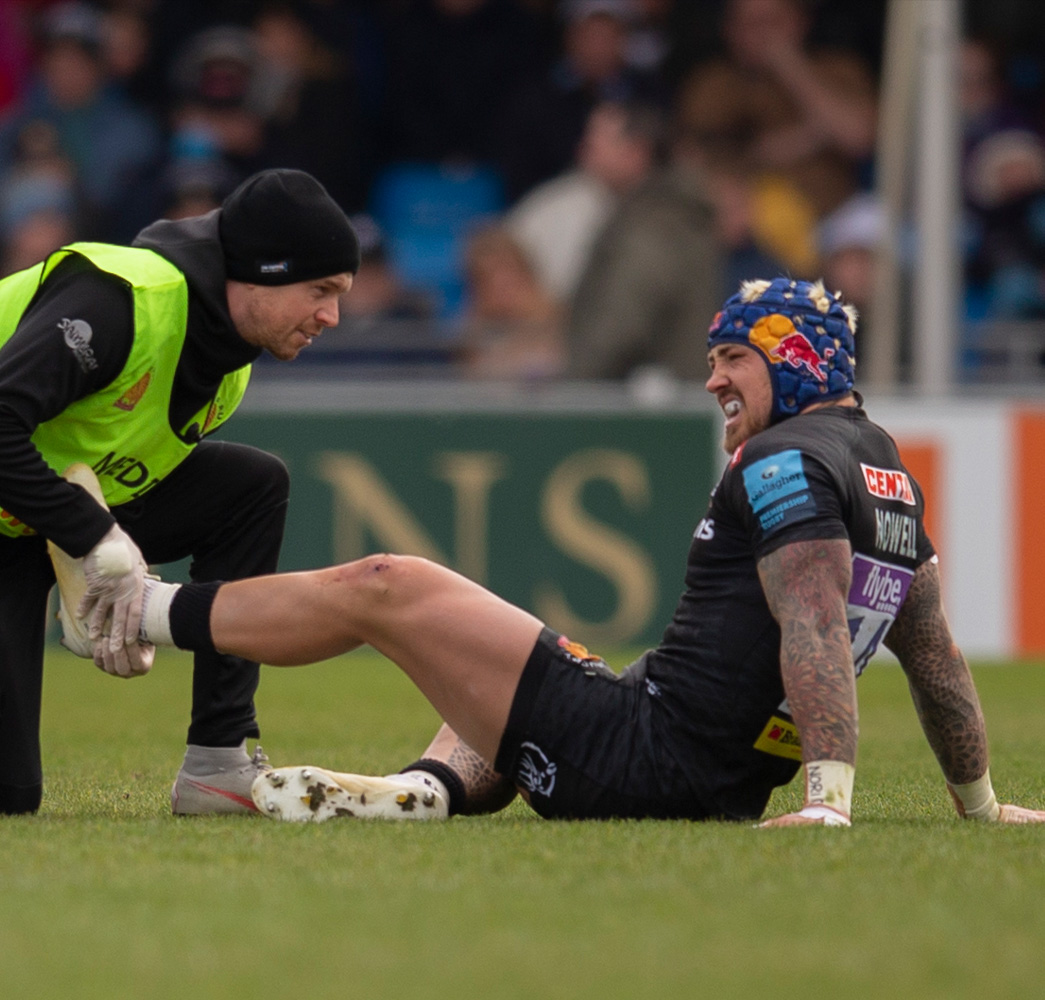
Jack Nowell has spent more than a decade playing international rugby for England and the British and Irish Lions. In a RugbyPass interview, he spoke about how he had to rethink his approach to training as he battled injuries and strove for longevity:
“I used to think training was only the big sessions - the heavy lifting, the contact, the conditioning. But the older I got, the more I realised it’s everything in between that really matters.
"The little bits of movement, the walking, mobility, pre-hab, the stuff you don’t even class as training. Those things keep you going. If I sit still for too long, that’s when I feel stiff or tight. Keeping moving, even a little bit, keeps me feeling ready."
It’s a philosophy many performance teams now echo. Movement isn’t just what happens in the gym - it’s what happens in the gaps.

Why small movement bursts work
To understand why 'movement snacks' are so effective, we turn to Dr. Casey Kerrigan, physician, biomechanics researcher and founder of OESH Shoes. She has spent years studying how the body responds to long periods of stillness.
1. Movement resets your physiology every time you stand up
Dr. Kerrigan explains that a single sit-to-stand moment triggers changes in circulation, muscle activation and blood flow. Even 10–20 seconds of movement can reverse markers associated with metabolic decline.
2. Frequent movement beats one long workout for overall health
Research from the University of Texas shows that three three-minute brisk walks spread across a day improved blood sugar response more effectively than one 30-minute walk.
3. Your brain benefits too
Studies published in Nature Scientific Reports show that light physical activity improves focus, mood and creativity — especially when done after long periods of sitting.
4. It protects your mobility long-term
Dr. Kerrigan’s work highlights that small, regular bouts of movement keep joints lubricated, tendons active and muscles engaged - acting as a preventative tool against tightness and injury.
Practical ways to move more (without 'exercising')
Here’s how to add effortless movement to your day:
1. The 20-Minute Rule
Every 20 minutes, stand up for 20 seconds. This simple habit reverses the stiffness-inducing effects of sitting.
2. Walking meetings
Swap one meeting a day for a walking call or voice note session.
3. Post-meal micro walks
A two to five-minute walk after meals can help stabilise blood sugar.
4. Mobility snacks
Pick one of these and do it twice a day:
Cat-cow stretch
Hip openers
Thoracic spine rotations
Shoulder blade squeeze and release
5. The kettle routine
Every time you wait for a kettle to boil: 10 calf raises, 10 air squats, 10 arm circles
These low-intensity movements are especially effective if you sit for long periods.
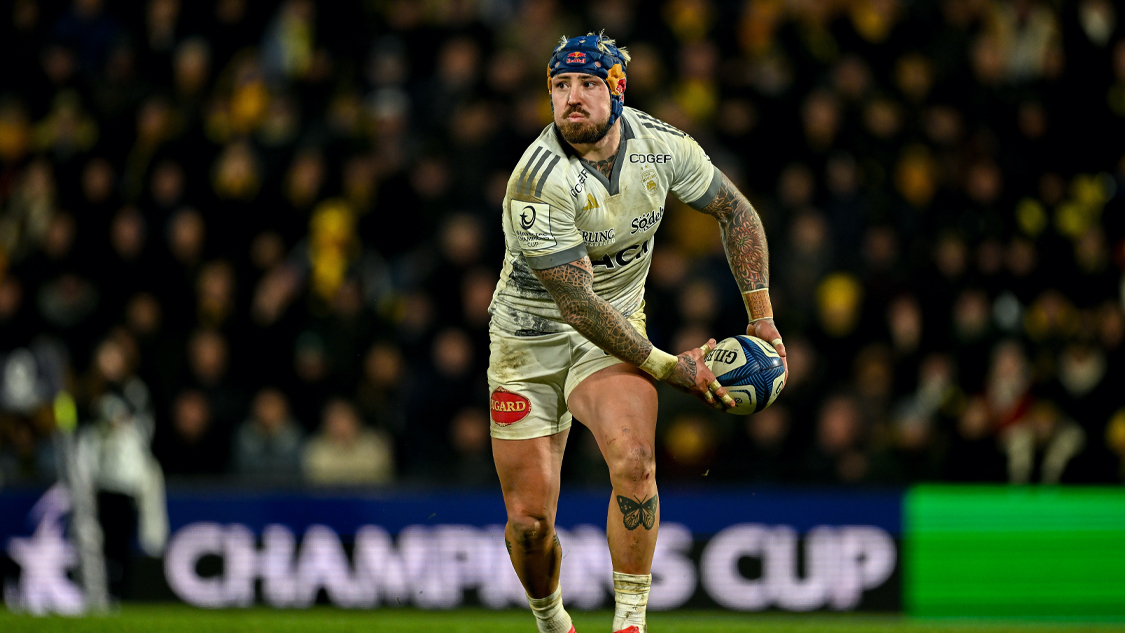
Jack Nowell’s practical take
In the same interview, Nowell also said:
“I learned that if I can keep my body ticking over - even with tiny bits of movement - I recover better, train better, and feel better.
"When you’re younger you don’t think about that stuff, but later you realise it makes all the difference.”
This is exactly how movement snacks work. They keep the engine warm so you don’t have to fire it up from cold.
A final thought
You don’t need a gym membership, a big workout plan or expensive equipment. You just need to move more often.
Think of it this way: one workout builds fitness. One hundred tiny movements build a lifestyle.
And for most people, that’s where the real change happens.