
"It’s not about how much you can move. It’s about how well you can control it." - Professor Stuart McGill
More training does not guarantee better performance.
In fact, when mechanics are poor, more repetitions simply engrain dysfunction.
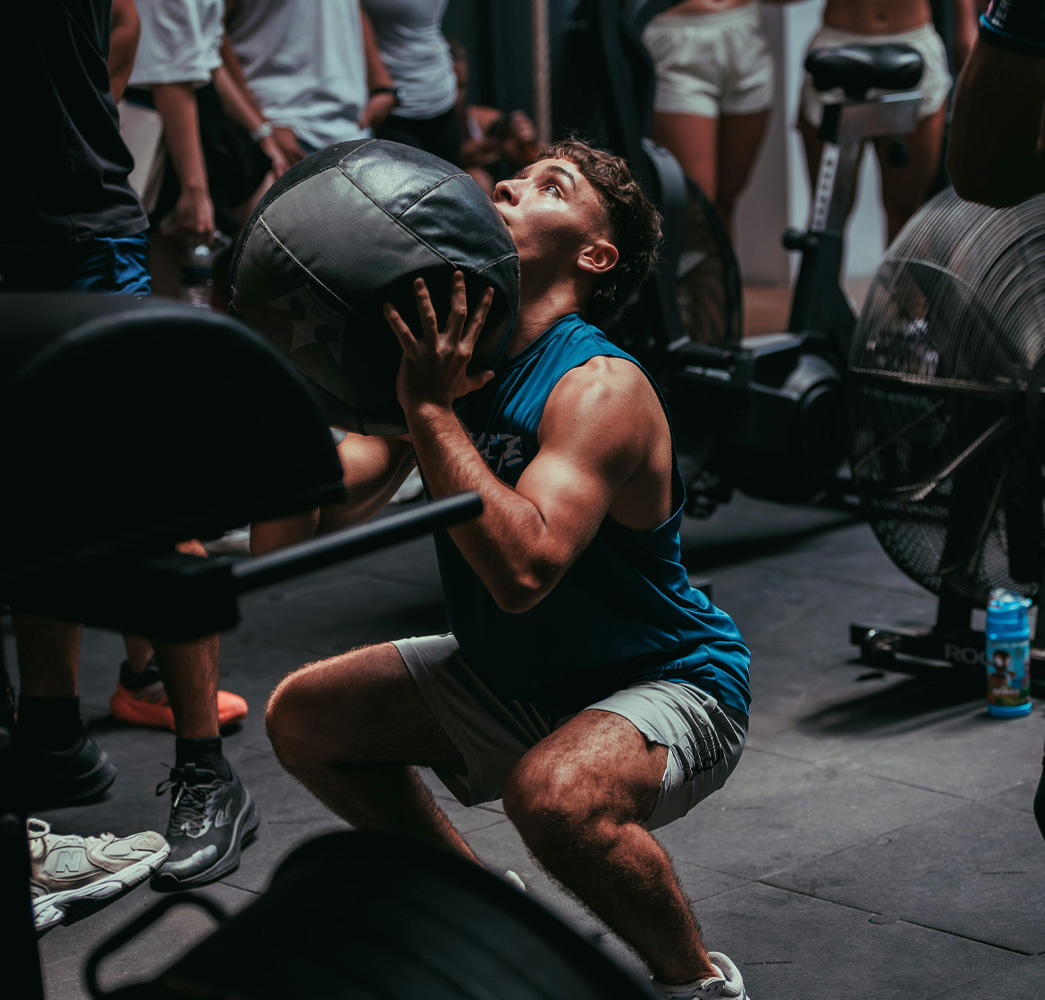
Movement quality determines how force travels through the body. When joints are stacked and stabilised, force transfers efficiently. When alignment collapses, tissues compensate.
Professor Stuart McGill, spine biomechanics expert, has repeatedly stressed the importance of control over range:
"It’s not about how much you can move. It’s about how well you can control it," he says.
That control protects the spine during rotation, deceleration and impact.
DECELERATION IS THE HIDDEN SKILL
Most non-contact injuries occur not during acceleration, but while slowing down.
Cutting, landing, braking - these actions demand eccentric strength and neuromuscular timing.
If hips fail to absorb load, knees and hamstrings often pay the price.
Movement sessions that focus purely on mobility without strength can leave athletes vulnerable.
Conversely, heavy strength without coordination training can create stiffness without adaptability.
The sweet spot is integration.
PASSIVE RANGE VERSUS ACTIVE CAPACITY
Flexibility allows access to positions. Strength allows control within them.
Tendon research from Jill Cook has consistently reinforced that tendons adapt to load - but it must be appropriate and progressive.
Volume without control increases strain.
Quality before quantity.
PRACTICAL APPLICATION
Three simple screens coaches often use:
- Single-leg landing control
- Rotational lunge stability
- Controlled deceleration drills
These reveal asymmetries before they become injuries.
Movement literacy is not glamorous. It rarely trends on social media.
But over seasons, it separates durable athletes from fragile ones.