
For years, wellness culture borrowed the language of productivity: optimise, maximise, push, perform.
Now, the pendulum is swinging.
One of the clearest 2026 trends is the rise of nervous system regulation - breathwork, tech-free rituals, slower routines and deliberate downshifts. It is less about 'doing nothing' and more about teaching the body how to come out of high-alert mode.
A recent wellness trends piece in The National cited a Gallup study reporting that about 45 per cent of adults feel burnt out, linking that pressure to the growing focus on nervous system resets.
Emotional health expert Dr Neeta Bhushan put it bluntly: "Regulation is replacing hustle, presence is replacing productivity and nervous system safety is becoming the new status symbol."

For The Edge, the sports angle is obvious.
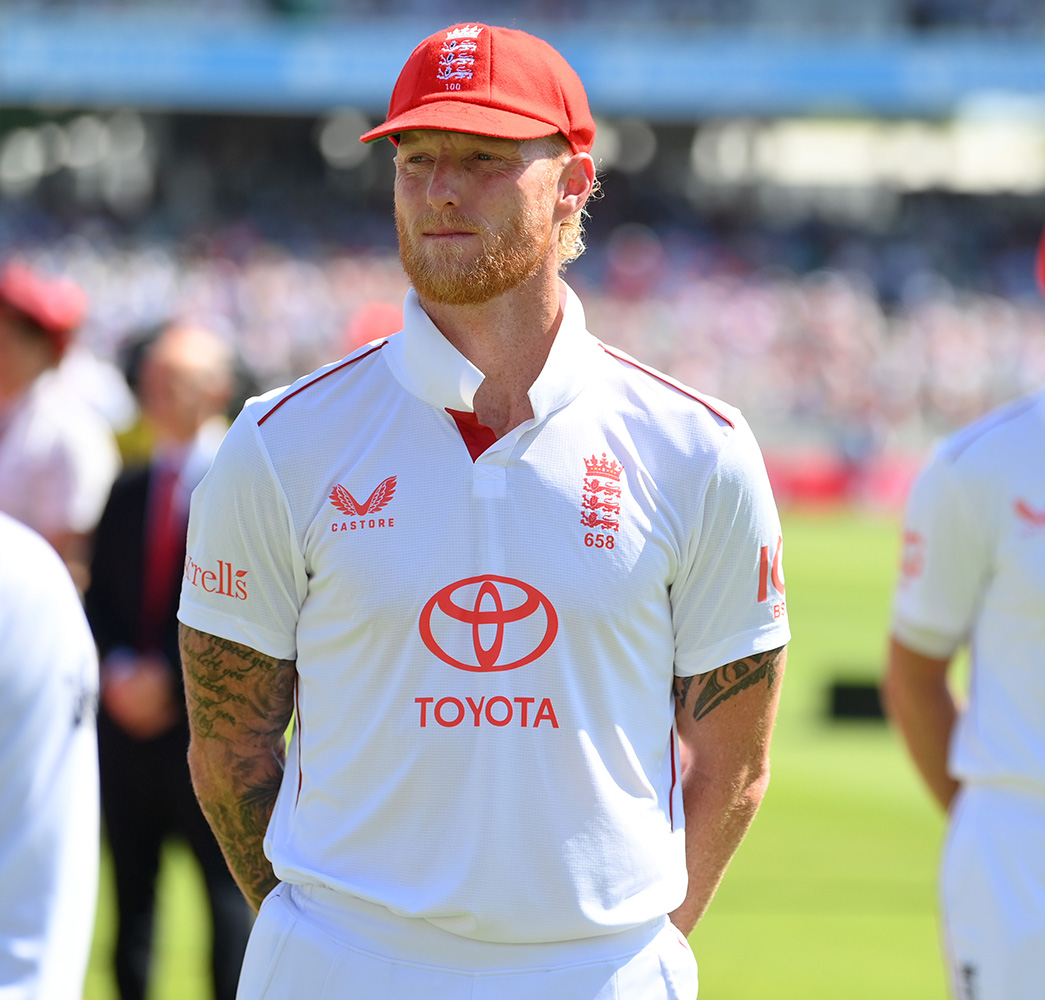
Athletes spend much of their time in sympathetic drive: training, competing, travelling, reacting, analysing. The body is built to handle that stress, but not to live there permanently.
That is why rest is starting to look more active and intentional. Not necessarily sleep, but down-regulation: breathing, stillness, walking, journalling, music, screen boundaries and low-stimulation recovery windows.
Ashley Edelman, breathwork master and co-founder of Immersiv, told The National: "We’re living in a time where we're overloaded... breathwork meets people where they are."
The important point is not that breathwork replaces training. It is that it supports the system that training depends on.
If an athlete cannot switch off, recovery becomes compromised. If a reader spends every evening overstimulated, rest becomes shallow even if the hours are available.
The best rest habits are not dramatic. They are repeatable.
And in a culture that still rewards constant output, learning how to downshift may be one of the most underrated performance skills.