
'What gets tracked often gets valued.'
For years, Strava has been the home of runs, rides and routes. Strength training, by comparison, often felt like an awkward add-on.
That is changing.
Late in May, Strava announced a major overhaul of its strength experience, introducing 14 partner integrations, a dedicated workout log, auto-populated muscle maps and new strength-specific shareables. The company says the update gives athletes a more complete way to log, track and share lifts alongside outdoor activities.
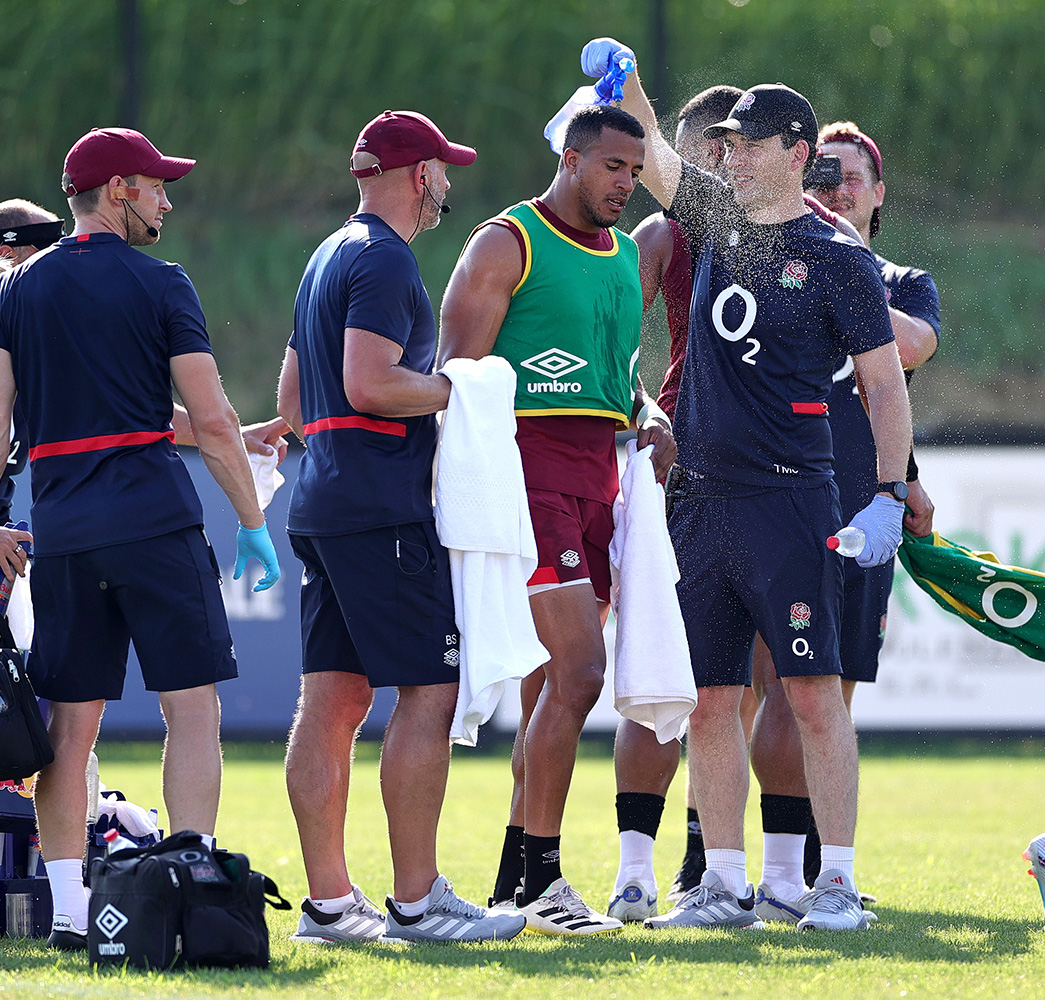
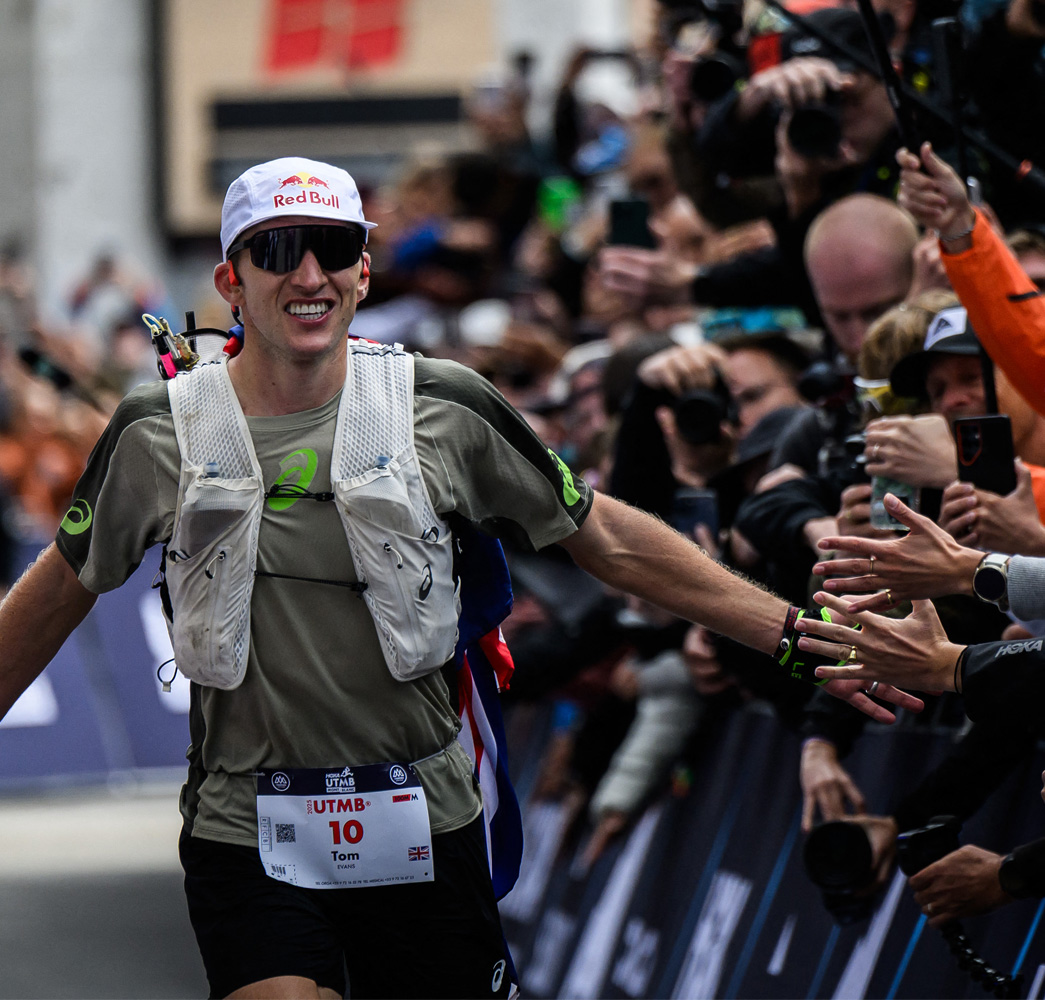
The move matters because it reflects a broader training shift. Hybrid athletes no longer see strength as separate from endurance. Runners lift. Cyclists do mobility. Cricketers build rotational strength. The modern training week is more connected than ever.
Strava’s own framing is telling: the company says overall health, longevity and injury prevention are among the key motivators behind growth in strength activities.
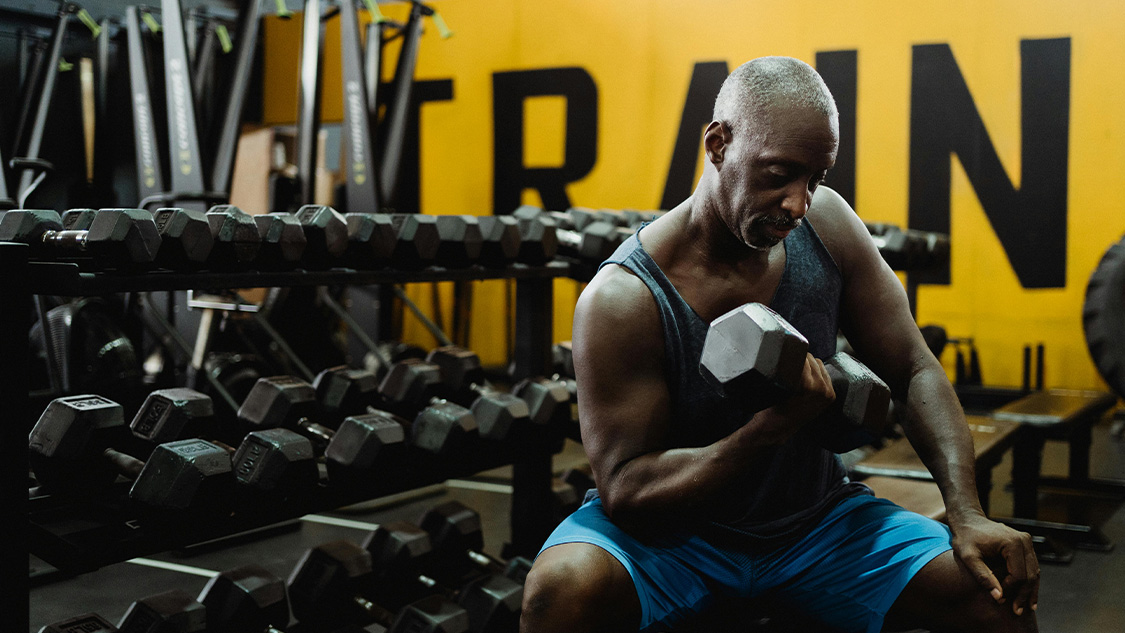
The new muscle maps are especially interesting. Every logged workout now generates a visual showing which muscle groups were trained, based on the exercises performed. That may sound simple, but it helps answer a question many athletes ignore: what did that session actually load?
For endurance athletes, that matters. If the same movement patterns dominate every week, weak links can hide. A clearer picture of strength work may help athletes balance the programme around their sport rather than simply adding gym sessions for the sake of it.
The update also integrates with platforms including Garmin, COROS, WHOOP, Fitbod, Hevy and iFIT, reducing the manual friction that has historically made strength tracking clunky.
The limitation is obvious: logging a workout does not guarantee good programming. A muscle map cannot tell you whether your form was controlled or your load was appropriate.
But it can make strength more visible.
And in a culture where what gets tracked often gets valued, that could be significant.