
"Athletes don’t usually get injured because something suddenly breaks. They get injured because they ignore the warning signs." - Dr Enda King
Groin injuries are among the most common - and most frustrating - issues in sport.
They rarely arrive with a single dramatic moment. Instead, they tend to develop gradually, sitting just below the surface before suddenly becoming impossible to ignore.
And that’s what makes them dangerous.
Because by the time an athlete stops, the injury is often already established.
THE REAL PROBLEM: MISREADING THE SIGNALS
The early signs of a groin issue are easy to dismiss:
• tightness when changing direction
• discomfort when accelerating
• stiffness the day after training
None of these feel like an injury.
So athletes keep going.
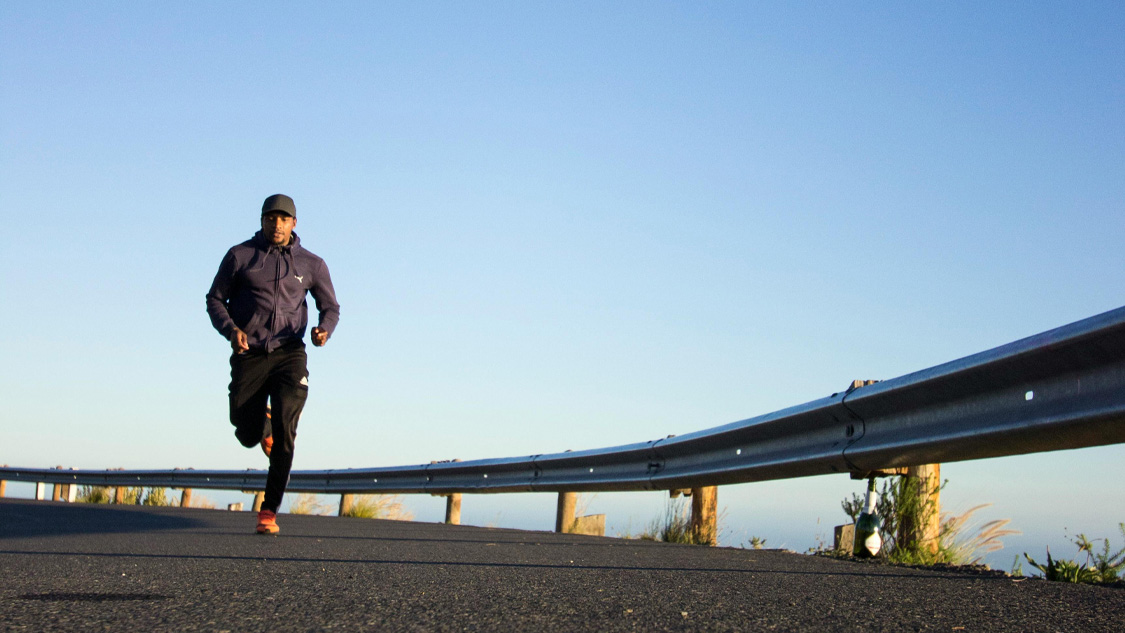
Sports physiotherapist Dr Enda King, who has worked extensively in elite football, has spoken about this pattern repeatedly.
"Athletes don’t usually get injured because something suddenly breaks - they get injured because they ignore the warning signs," he said.
The groin is particularly vulnerable because it plays a role in almost every movement - sprinting, turning, kicking, stabilising.
Which means it’s constantly under load.
WHY ATHLETES GET THIS WRONG
Part of the issue is cultural.
Athletes are conditioned to push through discomfort. Tightness is seen as normal. Fatigue is expected.
But groin injuries sit in a grey area - not painful enough to stop, but not comfortable enough to ignore.
That’s where poor decisions happen.
Instead of adjusting load, athletes often:
• increase intensity too quickly
• skip recovery work
• train through fatigue
Each decision adds stress to tissue that is already struggling to cope.

THE TURNING POINT
For most athletes, there’s a moment where something changes.
A sprint feels different. A turn feels restricted. Power drops.
At this point, the body is no longer asking - it’s telling.
And continuing beyond that point often leads to a more serious strain.
WHAT ACTUALLY PREVENTS IT
Prevention isn’t about doing more exercises.
It’s about making better decisions earlier.
That includes:
1. Respecting early tightness
Not every issue needs rest - but it needs adjustment
2. Managing load properly
Avoid sudden spikes in intensity or volume
3. Building adductor strength
Especially in lengthened positions
4. Recovering properly
Fatigue reduces tissue tolerance
WHAT THE EXPERTS SAY
Strength and conditioning coach Ryan Mason has highlighted the importance of preparation in groin health.
"Strong tissues tolerate load. Weak or fatigued tissues don’t," he said.
The goal isn’t to avoid load - it’s to prepare for it.
THE TAKEAWAY
Groin injuries aren’t usually bad luck.
They’re often the result of small decisions, repeated over time.
Ignore the signals, and the body forces a stop.
Listen early, adjust early - and you stay available.